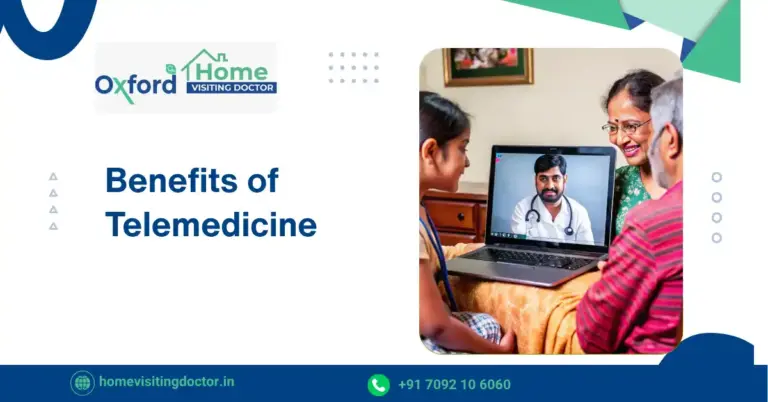
Healthcare is evolving beyond traditional hospital visits and clinic appointments. With the growth of digital technology, patients can now connect with healthcare professionals through secure virtual platforms, making medical support easier to access whenever and wherever it is needed.
Telemedicine has become one of the most important advancements in modern healthcare. It enables patients to consult doctors, discuss symptoms, receive medical guidance, manage ongoing health conditions, and continue follow-up care from the comfort of their homes.
For many people, accessing healthcare regularly can be challenging due to busy schedules, travel limitations, mobility difficulties, or limited availability of specialists. These barriers may sometimes cause individuals to delay important medical attention.
Benefits of Telemedicine helps bridge this gap by creating a more flexible healthcare experience. It supports early medical guidance, preventive care, chronic condition management, continuous communication between patients and healthcare providers, and coordination with a homevisiting doctor when an in-person examination or treatment is needed.
More than just a digital consultation method, telemedicine represents a shift toward a healthcare system that focuses on accessibility, convenience, and patient-centered care.
Understanding Telemedicine
Telemedicine refers to the delivery of healthcare services through digital communication technologies. It allows patients and healthcare professionals to connect remotely using video consultations, phone calls, secure messaging, and other digital healthcare solutions.
Rather than requiring a physical visit for every healthcare concern, telemedicine allows patients to receive medical advice and support from a convenient location.
It is designed to complement traditional healthcare—not replace it. While certain conditions require physical examination, diagnostic testing, or emergency treatment, many healthcare needs can be effectively supported through virtual care.
Common telemedicine services include:
- Virtual doctor consultations
- Medical follow-ups and recovery monitoring
- Chronic disease management support
- Medication guidance and discussions
- Specialist consultations
- Preventive healthcare advice
- Review of medical reports and test results
- Lifestyle and wellness counselling
As healthcare continues to become more digitally connected, telemedicine is helping create a system where patients can receive timely and appropriate medical support.

Benefits of Telemedicine
The growing adoption of telemedicine is driven by its ability to make healthcare more accessible, efficient, and convenient.
Its value extends beyond reducing travel time. Virtual healthcare improves communication, supports preventive care, strengthens long-term health management, and allows patients to stay actively involved in their healthcare journey.
Key Benefits of Telemedicine at a Glance
Easy Access to Healthcare Professionals
Telemedicine allows patients to connect with qualified healthcare providers without being restricted by location.
It is especially valuable for individuals who:
- Live in areas with limited healthcare facilities
- Have difficulty travelling frequently
- Need specialist opinions
- Require regular medical discussions
By reducing geographical barriers, telemedicine encourages people to seek healthcare support earlier instead of postponing care.
Reduced Waiting Time
Traditional healthcare visits often involve travel, appointment delays, and long waiting periods.
Virtual consultations simplify the process by allowing patients to connect with doctors without spending unnecessary time travelling or waiting.
This helps:
- Improve healthcare efficiency
- Make appointments easier to manage
- Encourage faster medical attention
When healthcare becomes easier to access, patients are more likely to address concerns before they become more complicated.
Convenient Healthcare From Home
One of the biggest advantages of telemedicine is the ability to receive medical guidance from a familiar environment.
For many patients, especially elderly individuals or those managing multiple responsibilities, home-based healthcare access provides greater comfort and flexibility.
It helps reduce:
- Travel-related stress
- Scheduling difficulties
- Disruption to daily routines
This convenience allows people to prioritize their health without major lifestyle interruptions.
Who Can Benefit From Telemedicine?
Telemedicine can support a wide range of individuals by making healthcare easier to access and manage.
Working Professionals
- People with demanding schedules often postpone medical appointments due to time constraints.
- Virtual consultations allow them to receive healthcare guidance without significant disruption to work or personal commitments.
Elderly Individuals
- Older adults may experience difficulty travelling frequently for routine consultations or follow-ups.
- Telemedicine provides a convenient way for seniors to stay connected with healthcare providers while remaining comfortable at home.
People Living in Remote Areas
- Individuals in locations with limited access to healthcare facilities can benefit from remote consultations and specialist guidance.
- Telemedicine helps reduce the impact of distance on healthcare availability.
Patients Managing Long-Term Conditions
- People requiring regular monitoring can use telemedicine to maintain communication with healthcare professionals and receive ongoing support.
- This helps improve consistency and encourages better health management.
Individuals Seeking Specialist Advice
- Accessing specialists may sometimes require travelling long distances.
- Telemedicine makes it easier for patients to receive expert opinions and discuss treatment options remotely.
Greater Convenience and Time Savings
Modern lifestyles can make regular healthcare visits difficult. Between professional responsibilities, family commitments, and daily routines, many people struggle to find time for appointments.
Telemedicine creates a simpler healthcare experience by allowing patients to connect with doctors digitally.
It reduces:
- Unnecessary travel
- Waiting room time
- Appointment-related stress
- Delays in seeking medical guidance
For concerns that do not require physical examination, virtual consultations provide an effective and practical healthcare option.
By making medical support more convenient, telemedicine helps people take a proactive approach toward their health.
Better Continuity of Care
Consistent communication between patients and healthcare providers plays a major role in achieving better health outcomes.
Telemedicine strengthens this connection by making regular healthcare interactions easier.
Through virtual consultations, doctors can:
- Monitor patient progress
- Review health updates
- Provide timely recommendations
- Adjust care plans when needed
- Encourage treatment consistency
This continuous support is especially valuable for individuals managing long-term conditions where regular monitoring is essential.
A stronger connection between patients and healthcare providers creates a more personalized healthcare experience.
Better Management of Chronic Diseases
Managing chronic health conditions requires continuous attention, regular monitoring, and consistent communication with healthcare professionals.
Conditions such as:
- Diabetes
- Hypertension
- Heart-related conditions
- Respiratory disorders
- Thyroid disorders
- Arthritis
often require ongoing care rather than occasional medical visits.
Telemedicine supports chronic disease management by helping patients stay connected with healthcare providers without frequent travel.
Supporting Regular Health Monitoring
Small changes in symptoms, lifestyle habits, or health patterns can sometimes indicate the need for medical attention.
Through virtual healthcare consultations, doctors can:
- Review symptoms and health updates
- Monitor treatment progress
- Discuss lifestyle improvements
- Provide medication guidance
- Recommend necessary changes in care plans
This allows patients to receive timely support and maintain better control over their condition.
Encouraging Active Patient Participation
- Successful chronic disease management depends on patients being actively involved in their health journey.
- Telemedicine makes it easier for individuals to understand their condition, follow medical recommendations, and make informed decisions about their lifestyle.
- When communication with healthcare professionals becomes easier, patients are more likely to stay consistent with their treatment and long-term care plans.
Faster Medical Attention
When health concerns arise, receiving timely medical guidance can make an important difference.
Delays caused by travel difficulties, appointment availability, or long waiting periods may sometimes allow health issues to become more complicated.
Telemedicine helps patients connect with healthcare professionals faster, allowing them to receive advice when they need it.
Virtual consultations can support:
- Discussing new health concerns
- Understanding symptoms
- Receiving early medical guidance
- Reviewing non-emergency conditions
- Knowing the next appropriate healthcare step
While emergency situations always require immediate medical care, telemedicine provides faster access to professional guidance for many routine and non-urgent healthcare needs.
By improving communication between patients and providers, virtual healthcare encourages early action and better health decisions.
Greater Healthcare Efficiency
Telemedicine is helping improve the way healthcare services are delivered by creating a more organized and efficient system.
Traditional healthcare environments may face challenges such as crowded facilities, limited appointment availability, and unnecessary visits for concerns that can be handled remotely.
Telemedicine helps ensure patients receive the right type of care through the most suitable approach.
Reducing Unnecessary Healthcare Visits
Many healthcare interactions involve:
- Discussing symptoms
- Reviewing reports
- Monitoring recovery
- Adjusting medications
- Providing general guidance
For these situations, virtual consultations can offer effective medical support while reducing avoidable clinic visits.
This allows healthcare facilities to focus resources on patients who need physical examinations, procedures, or specialized treatment.
Improving Healthcare Workflow
Telemedicine supports healthcare professionals by improving:
- Appointment management
- Patient communication
- Follow-up coordination
- Healthcare accessibility
A smoother workflow benefits both patients and providers by creating a more efficient healthcare experience.
Benefits of Virtual Follow-Ups
Follow-up care is an essential part of successful recovery and long-term health management.
Whether a patient is recovering after treatment, adjusting to medication, or monitoring an ongoing condition, regular medical communication helps ensure better outcomes.
Telemedicine makes follow-ups easier by allowing patients to stay connected with healthcare providers without unnecessary travel.
Virtual follow-ups help patients:
- Discuss recovery progress
- Share changes in symptoms
- Review medical reports
- Clarify medication concerns
- Receive continued health guidance
This is especially helpful for elderly patients, individuals with mobility limitations, and people with busy schedules.
By improving consistency in follow-up care, telemedicine helps patients remain engaged throughout their healthcare journey.
Environmental Benefits of Telemedicine
While healthcare primarily focuses on improving patient wellbeing, telemedicine also supports more sustainable healthcare practices.
Many traditional healthcare visits involve transportation, which contributes to fuel consumption and environmental impact.
By reducing unnecessary travel for consultations and follow-ups, telemedicine helps create a more environmentally responsible approach to healthcare delivery.
Key benefits include:
- Reduced Transportation Impact: Virtual consultations reduce the need for frequent travel, helping decrease the environmental impact associated with routine healthcare visits.
- Lower Resource Consumption: Digital communication reduces dependence on certain physical resources such as paperwork, printed documents, and administrative materials.
- Sustainable Healthcare Practices:Telemedicine supports a modern healthcare model where technology improves efficiency while minimizing avoidable resource use.
Although virtual healthcare cannot replace all physical medical services, it contributes to a smarter and more sustainable healthcare ecosystem.
Challenges of Telemedicine
While telemedicine provides many advantages, understanding its limitations is equally important.
It works best when combined with traditional healthcare and used according to each patient’s specific needs.
Technology and Connectivity Barriers
Since telemedicine depends on digital platforms, access to reliable technology is essential.
Challenges may include:
- Limited internet availability
- Difficulty using digital tools
- Device limitations
- Lack of familiarity with virtual healthcare systems
Improving digital accessibility and creating user-friendly healthcare platforms can help reduce these barriers.
Limited Physical Examination
- Certain medical situations require physical assessment, diagnostic testing, or procedures that cannot be completed virtually.
- Healthcare professionals may recommend an in-person consultation when needed to ensure accurate diagnosis and safe treatment.
- Telemedicine should be considered a valuable healthcare option that works alongside traditional medical care.
Privacy and Data Protection
Healthcare information is highly personal, and protecting patient data is essential.
Trusted telemedicine services focus on:
- Secure communication systems
- Confidential handling of health information
- Safe digital record management
- Patient privacy protection
Strong security practices help build confidence and encourage wider adoption of digital healthcare.
Future of Telemedicine
The future of telemedicine is closely connected with ongoing advancements in digital healthcare technology.
As innovation continues, virtual healthcare is expected to become an even more integrated part of modern healthcare systems.
Artificial Intelligence in Healthcare Support
Artificial intelligence may help healthcare professionals analyze information, identify health patterns, and support better decision-making.
Future AI-enabled healthcare solutions may contribute to:
- Earlier identification of health risks
- Improved patient monitoring
- More personalized recommendations
- More efficient healthcare processes
However, technology will continue to support medical expertise rather than replace the importance of human judgment and compassion.
Remote Health Monitoring
Wearable devices and connected health tools are changing the way health information is collected and monitored.
Future healthcare may involve continuous tracking of:
- Heart health indicators
- Activity levels
- Vital measurements
- Personal wellness information
This allows doctors to provide more proactive and preventive care.
More Personalized Healthcare Experiences
Telemedicine creates opportunities for healthcare providers to better understand patients through continuous communication.
The future of healthcare will likely focus on personalized care plans based on:
- Individual health needs
- Lifestyle factors
- Medical history
- Personal health goals
This creates a healthcare experience that is more responsive and patient-focused.
Why Telemedicine Matters in Modern Healthcare
Healthcare is no longer focused only on treating illness. Modern healthcare is increasingly moving toward prevention, accessibility, and continuous support.
Telemedicine matters because it helps create a healthcare system that adapts to the realities of everyday life.
Patients today need healthcare solutions that fit around their responsibilities, schedules, and personal needs.
Telemedicine helps make healthcare:
- More accessible
- More convenient
- More connected
- More patient-focused
Its true value is not just the technology behind it, but the ability to bring trusted healthcare support closer to people.
Expert Insights on Telemedicine
Healthcare experts emphasize that telemedicine works best when technology strengthens the relationship between patients and healthcare professionals.
The purpose of virtual healthcare is not simply to provide online consultations but to ensure patients receive appropriate care at the right time.
Choosing the Right Care Approach
Not every health concern can be effectively managed through virtual consultations. Healthcare professionals assess each situation carefully to determine the most suitable type of care, ensuring patients receive safe and appropriate medical support.
- Virtual Guidance: Provides medical advice, symptom discussions, follow-ups, and general healthcare support when physical examination is not required.
- Physical Examination: Allows doctors to assess conditions that require hands-on evaluation or closer clinical observation.
- Diagnostic Testing: Helps identify health concerns through medical tests, scans, or investigations when more detailed evaluation is needed.
- Specialist Care: Connects patients with specialized healthcare professionals for expert opinions and advanced treatment guidance.
This balanced approach ensures technology supports healthcare decisions while maintaining quality, safety, and patient wellbeing.
Strengthening Preventive Healthcare
Telemedicine makes regular healthcare communication easier, encouraging individuals to pay attention to their health before minor concerns become more serious. It supports a proactive approach where prevention and early care become part of everyday life.
- Health Awareness: Helps individuals understand their health better and recognize potential concerns at an early stage.
- Early Intervention: Enables timely medical guidance, allowing health issues to be addressed before they become more complicated.
- Preventive Action: Encourages regular check-ins, screenings, and healthy habits to reduce future health risks.
- Better Lifestyle Choices: Provides professional guidance on nutrition, exercise, and daily habits that support long-term wellbeing.
Combining Technology With Compassion
Digital platforms create access, but healthcare remains a human-centered service. The best telemedicine experiences combine advanced technology with genuine care, ensuring patients feel supported, understood, and valued throughout their healthcare journey.
- Empathy: Healthcare professionals listen carefully, understand patient concerns, and provide reassurance during every interaction.
- Understanding: Clear communication helps doctors understand patient needs while helping individuals feel informed and comfortable with their care decisions.
- Professional Expertise: Skilled medical guidance ensures patients receive accurate advice, appropriate recommendations, and reliable healthcare support.
- Patient-Focused Communication: Conversations are personalized, simple, and respectful, helping patients actively participate in their health journey.
Building Trust in Telemedicine Services
Trust is one of the most important foundations of successful healthcare.
For telemedicine to become a reliable part of modern healthcare, patients need confidence in both technology and medical professionals.
Building trust requires:
Qualified Healthcare Professionals
Patients should receive guidance from trained healthcare providers who follow proper medical standards and prioritize safety.
Clear Communication
- Doctors should explain health concerns, recommendations, and care plans in a simple and understandable way.
- Good communication helps patients feel informed and comfortable.
Secure Healthcare Practices
- Protecting personal health information is essential.
- Strong privacy practices allow patients to use telemedicine with confidence and peace of mind.
Patient-Centered Care
- Technology should improve healthcare experiences rather than make them feel disconnected.
- When patients feel heard and supported, telemedicine becomes a more meaningful healthcare solution.
Conclusion
Telemedicine has transformed the way people access healthcare by making medical support more convenient, connected, and accessible.The benefits of telemedicine extend far beyond virtual consultations. It improves healthcare access, supports chronic disease management, enables faster medical guidance, strengthens follow-up care, and creates a more efficient healthcare experience.
Although challenges such as technology access, privacy concerns, and limitations in physical examination remain, continuous innovation is making telemedicine more reliable and effective.The future of healthcare is not only about advanced technology—it is about creating a system where people can receive timely, trusted, and compassionate care whenever they need it.Telemedicine is not replacing the human side of healthcare. It is expanding its reach and helping ensure that quality medical support is closer to everyone.