Healthcare has evolved rapidly over the last decade, and one of the most transformative developments is telemedicine. The ability to connect patients and healthcare providers through digital technology has changed the way medical services are delivered across the world. From virtual consultations to remote patient monitoring, telemedicine is making healthcare more accessible, efficient, and patient-centered.
Telemedicine refers to the use of digital communication technologies such as smartphones, computers, video conferencing platforms, and remote monitoring tools to provide medical care from a distance. It enables patients to consult doctors, receive prescriptions, access follow-up care, and even monitor chronic conditions without physically visiting a clinic or hospital.
The demand for telemedicine increased significantly during global health emergencies, but its long-term value extends far beyond temporary situations. Today, patients, healthcare providers, and healthcare systems recognize telemedicine as a sustainable solution that improves convenience, reduces healthcare costs, and enhances medical accessibility.
Understanding Telemedicine
Telemedicine is not limited to video consultations. It includes several healthcare delivery methods that support communication between doctors and patients through technology.
Common Types of Telemedicine
1. Live Video Consultations
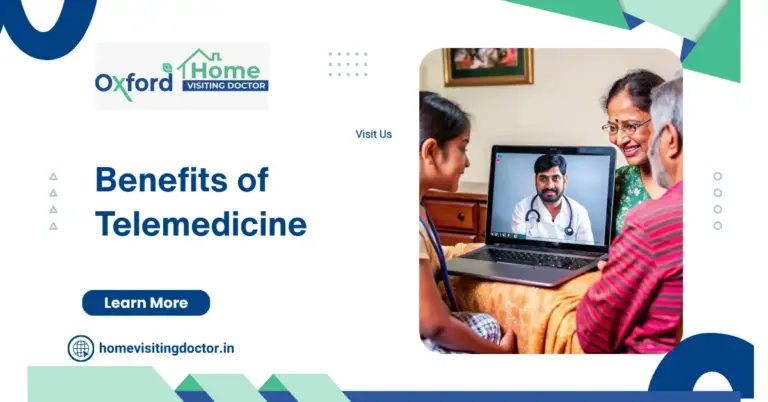
This is the most commonly used form of telemedicine. Patients can speak directly with healthcare professionals through secure video conferencing platforms.
2. Remote Patient Monitoring
Doctors can monitor patients’ health data remotely using connected medical devices such as blood pressure monitors, glucose monitors, and wearable fitness trackers.
3. Store-and-Forward Telemedicine
Medical information such as X-rays, laboratory reports, and medical images can be securely shared between healthcare providers for diagnosis and treatment.
4. Mobile Health Applications
Healthcare apps help patients schedule appointments, receive medication reminders, access medical records, and communicate with doctors.
Telemedicine combines technology with healthcare expertise to improve medical delivery while reducing barriers associated with traditional healthcare systems.
Benefits of Telemedicine
1. Improved Access to Healthcare
One of the greatest benefits of telemedicine is improved healthcare accessibility. Many individuals living in rural or remote areas face difficulties accessing qualified healthcare professionals due to distance, transportation limitations, or a shortage of medical facilities.
Telemedicine bridges this gap by allowing patients to consult specialists and general physicians from their homes. Patients no longer need to travel long distances for routine medical consultations.
How Telemedicine Improves Accessibility
- Connects rural patients with urban healthcare specialists
- Helps elderly patients receive care without traveling
- Supports people with disabilities or mobility challenges
- Reduces waiting times for appointments
- Provides healthcare access during emergencies or natural disasters
For individuals who previously struggled to receive timely medical attention, telemedicine offers a practical and life-changing solution.
2. Convenience and Time Savings
Traditional healthcare visits often require patients to spend hours traveling, waiting in clinics, completing paperwork, and commuting back home. Telemedicine simplifies this process significantly.
With virtual consultations, patients can schedule appointments more flexibly and attend them from home, the workplace, or any location with internet access.
Benefits of Convenience
- Eliminates travel time
- Reduces waiting room delays
- Enables quick follow-up consultations
- Minimizes interruptions to work or daily activities
- Simplifies prescription renewals
Busy professionals, parents, students, and elderly patients especially benefit from the convenience of virtual healthcare services.
Telemedicine also improves healthcare efficiency for providers by reducing appointment gaps and administrative workload.
3. Reduced Healthcare Costs
Healthcare expenses can become overwhelming for many families. Telemedicine helps reduce costs for both patients and healthcare organizations.
Cost Savings for Patients
Patients save money by reducing:
- Transportation expenses
- Fuel costs
- Parking fees
- Childcare expenses during appointments
- Time away from work
Cost Savings for Healthcare Providers
Healthcare institutions can reduce:
- Operational overhead costs
- Infrastructure expenses
- Administrative workload
- Emergency room overcrowding
In many cases, telemedicine consultations are also less expensive than in-person visits, making healthcare more affordable.
The economic benefits of telemedicine contribute to broader healthcare accessibility and sustainability
4. Better Management of Chronic Diseases
Patients with chronic illnesses often require continuous monitoring and frequent medical consultations. Telemedicine provides an effective solution for long-term disease management.
Common Conditions Managed Through Telemedicine
- Diabetes
- Hypertension
- Asthma
- Heart disease
- Arthritis
- Mental health disorders
Remote monitoring devices allow doctors to track patient health data in real time. This enables early detection of complications and timely medical intervention.
For example, a diabetic patient can share blood glucose readings digitally with a healthcare provider who can adjust treatment plans immediately if abnormalities are detected.
Benefits for Chronic Care Patients
- Continuous monitoring
- Improved medication adherence
- Faster intervention during complications
- Reduced hospital admissions
- Better patient engagement
Telemedicine empowers patients to actively participate in managing their health conditions.
5. Enhanced Mental Health Support
Mental healthcare accessibility remains a challenge in many regions due to social stigma, limited specialist availability, and transportation barriers.
Telemedicine has transformed mental healthcare delivery by offering private, comfortable, and accessible virtual counseling sessions.
Advantages of Teletherapy
- Increased privacy and confidentiality
- Greater comfort during therapy sessions
- Improved access to mental health specialists
- Reduced stigma associated with clinic visits
- Better continuity of care
Patients dealing with anxiety, depression, stress, trauma, or other psychological conditions often feel more relaxed discussing concerns from familiar surroundings.
Telepsychiatry and online counseling services have become essential components of modern mental healthcare systems.
6. Faster Medical Attention
Timely medical intervention can significantly improve treatment outcomes. Telemedicine reduces delays by enabling faster consultations and quicker communication between patients and healthcare professionals.
Examples of Faster Care Through Telemedicine
- Immediate consultation for minor illnesses
- Quick review of laboratory reports
- Rapid follow-up after surgeries
- Faster prescription approvals
- Emergency triage support
Patients experiencing mild symptoms can quickly determine whether they require emergency treatment or home care guidance.
This not only improves patient safety but also reduces unnecessary emergency room visits.
7. Reduced Risk of Infection Transmission
Hospitals and clinics often expose patients to infectious diseases, especially during outbreaks of contagious illnesses.
Telemedicine minimizes physical contact between patients, healthcare workers, and crowded waiting areas.
Infection Prevention Benefits
- Reduces exposure to contagious diseases
- Protects vulnerable populations
- Minimizes hospital crowding
- Supports safe healthcare delivery during pandemics
Patients with weakened immune systems particularly benefit from virtual consultations because they can receive medical advice without unnecessary exposure.
Telemedicine became especially valuable during global public health emergencies by ensuring continuity of care while supporting infection control measures.
8. Improved Healthcare for Elderly Patients
Older adults often face challenges when traveling to healthcare facilities. Mobility issues, transportation difficulties, and chronic illnesses can make frequent clinic visits physically exhausting.
Telemedicine enables senior citizens to receive regular medical attention from the comfort of their homes.
Benefits for Elderly Patients
- Easier access to specialists
- Reduced travel-related stress
- Better medication management
- Frequent monitoring of chronic conditions
- Increased independence
Family members and caregivers can also participate in virtual consultations, helping improve communication and treatment planning.
As aging populations continue to grow globally, telemedicine will play an increasingly important role in geriatric healthcare.
9. Greater Healthcare Efficiency
Telemedicine streamlines healthcare operations and improves overall system efficiency.
Operational Advantages
- Faster appointment scheduling
- Reduced patient no-shows
- Better resource allocation
- Improved patient flow management
- Simplified medical documentation
Healthcare professionals can manage routine consultations more effectively while reserving in-person appointments for critical cases.
This optimized approach helps healthcare systems serve more patients without compromising care quality.
10. Access to Medical Specialists
In many regions, specialist healthcare providers are limited or unavailable. Patients may need to travel to major cities for expert consultations.
Telemedicine removes geographical barriers by connecting patients with specialists remotely.
Specialist Services Available Through Telemedicine
- Dermatology
- Cardiology
- Neurology
- Psychiatry
- Pediatrics
- Endocrinology
For example, a patient in a remote village can consult an experienced cardiologist in a metropolitan hospital through secure video conferencing.
This access improves diagnosis accuracy and treatment quality while reducing travel burdens.
11. Better Follow-Up Care
Follow-up appointments are essential for monitoring recovery and adjusting treatment plans. However, many patients skip follow-ups due to travel inconvenience, time constraints, or financial limitations.
Telemedicine encourages better follow-up compliance by making appointments easier and more accessible.
Benefits of Virtual Follow-Ups
- Faster recovery monitoring
- Improved treatment adherence
- Early identification of complications
- Enhanced doctor-patient communication
Regular virtual follow-ups help maintain continuity of care and improve long-term health outcomes.
12. Support During Emergencies and Disasters
Natural disasters, pandemics, and public emergencies can disrupt traditional healthcare services.
Telemedicine helps maintain healthcare continuity during difficult situations by enabling remote consultations and medical guidance.
Emergency Benefits
- Continuous access to healthcare services
- Reduced hospital overcrowding
- Faster communication during crises
- Support for isolated communities
Healthcare providers can also coordinate emergency responses more efficiently using digital communication systems.
13. Increased Patient Engagement
Telemedicine encourages patients to take a more active role in their healthcare journey.
Digital platforms often provide:
- Health tracking tools
- Appointment reminders
- Educational resources
- Medication notifications
- Secure messaging systems
Patients who remain informed and engaged are more likely to follow treatment recommendations and maintain healthier lifestyles.
This collaborative approach strengthens the relationship between healthcare providers and patients.
14. Environmental Benefits
Telemedicine also contributes positively to environmental sustainability.
By reducing patient travel and minimizing unnecessary transportation, telemedicine lowers fuel consumption and carbon emissions.
Environmental Advantages
- Reduced vehicle emissions
- Lower energy consumption
- Less paper usage through digital records
- Decreased healthcare facility congestion
Although often overlooked, the environmental impact of telemedicine supports broader sustainability goals.
Challenges of Telemedicine
While telemedicine offers numerous benefits, it also presents certain challenges that healthcare providers and patients must address.
1. Limited Physical Examinations
Some medical conditions require physical examinations, laboratory testing, or imaging procedures that cannot be performed virtually.
Telemedicine works best when integrated with traditional healthcare services rather than replacing them entirely.
2. Internet and Technology Barriers
Reliable internet access and digital literacy are necessary for effective telemedicine usage.
Patients in underserved regions may face:
- Poor internet connectivity
- Limited access to devices
- Difficulty using technology platforms
3. Data Privacy and Security
Healthcare providers must ensure patient information remains secure and confidential.
Strong cybersecurity measures, encrypted communication platforms, and regulatory compliance are essential to maintaining patient trust.
4. Regulatory and Licensing Issues
Healthcare regulations differ across regions and countries. Providers may face licensing restrictions when offering telemedicine services across state or national borders.
Despite these challenges, ongoing technological advancements continue improving telemedicine systems worldwide.
Future of Telemedicine
The future of telemedicine appears highly promising. Advancements in artificial intelligence, wearable health devices, and digital communication technologies are expected to further enhance virtual healthcare delivery.
Emerging Innovations
Artificial Intelligence in Telemedicine
AI-powered tools can assist doctors by analyzing symptoms, identifying patterns, and supporting diagnosis.
Wearable Health Technology
Smartwatches and connected medical devices enable continuous health monitoring and real-time data sharing.
Virtual Reality Healthcare
Virtual reality technologies may support rehabilitation therapy, pain management, and remote medical training.
Expanded Rural Healthcare Access
Governments and healthcare organizations are increasingly investing in telemedicine infrastructure to improve rural healthcare systems.
Telemedicine is likely to become a permanent and essential part of healthcare delivery globally.
Why Telemedicine Matters in Modern Healthcare
Modern healthcare systems face increasing pressure due to rising patient populations, healthcare workforce shortages, and growing chronic disease rates.
Telemedicine addresses many of these challenges by creating flexible, scalable, and patient-focused healthcare solutions.
Key Reasons Telemedicine Matters
- Improves healthcare accessibility
- Reduces treatment delays
- Enhances healthcare efficiency
- Supports preventive healthcare
- Encourages patient-centered care
- Strengthens healthcare resilience during emergencies
As healthcare continues evolving, telemedicine will remain a valuable tool for improving medical outcomes and patient experiences.
Expert Insights on Telemedicine
Healthcare experts widely recognize telemedicine as a transformative healthcare innovation.
Medical professionals emphasize that telemedicine should complement traditional healthcare services rather than replace face-to-face consultations entirely.
According to healthcare industry research, virtual healthcare adoption continues increasing because patients value convenience, accessibility, and faster medical support.
Experts also highlight the importance of:
- Secure healthcare technology
- Proper patient education
- Digital healthcare training for providers
- Government support for telehealth infrastructure
Successful telemedicine implementation requires collaboration between healthcare providers, technology companies, policymakers, and patients.
Building Trust in Telemedicine Services
Trust remains one of the most important factors in digital healthcare.
Patients are more likely to use telemedicine services when healthcare providers maintain:
- Clear communication
- Transparent privacy policies
- Professional medical standards
- Secure digital platforms
- Reliable follow-up care
Healthcare organizations should prioritize patient education about how telemedicine works, what services are available, and how medical data is protected.
Strong trust and transparency help improve patient confidence in virtual healthcare systems.
Conclusion
Telemedicine is transforming healthcare by making medical services more accessible, affordable, and convenient. It enables remote consultations, chronic care management, mental health support, and faster medical assistance. Telemedicine improves healthcare access for underserved communities, reduces costs, and strengthens healthcare delivery during emergencies. As digital healthcare advances, telemedicine continues creating a more connected, efficient, and patient-friendly healthcare experience for everyone.